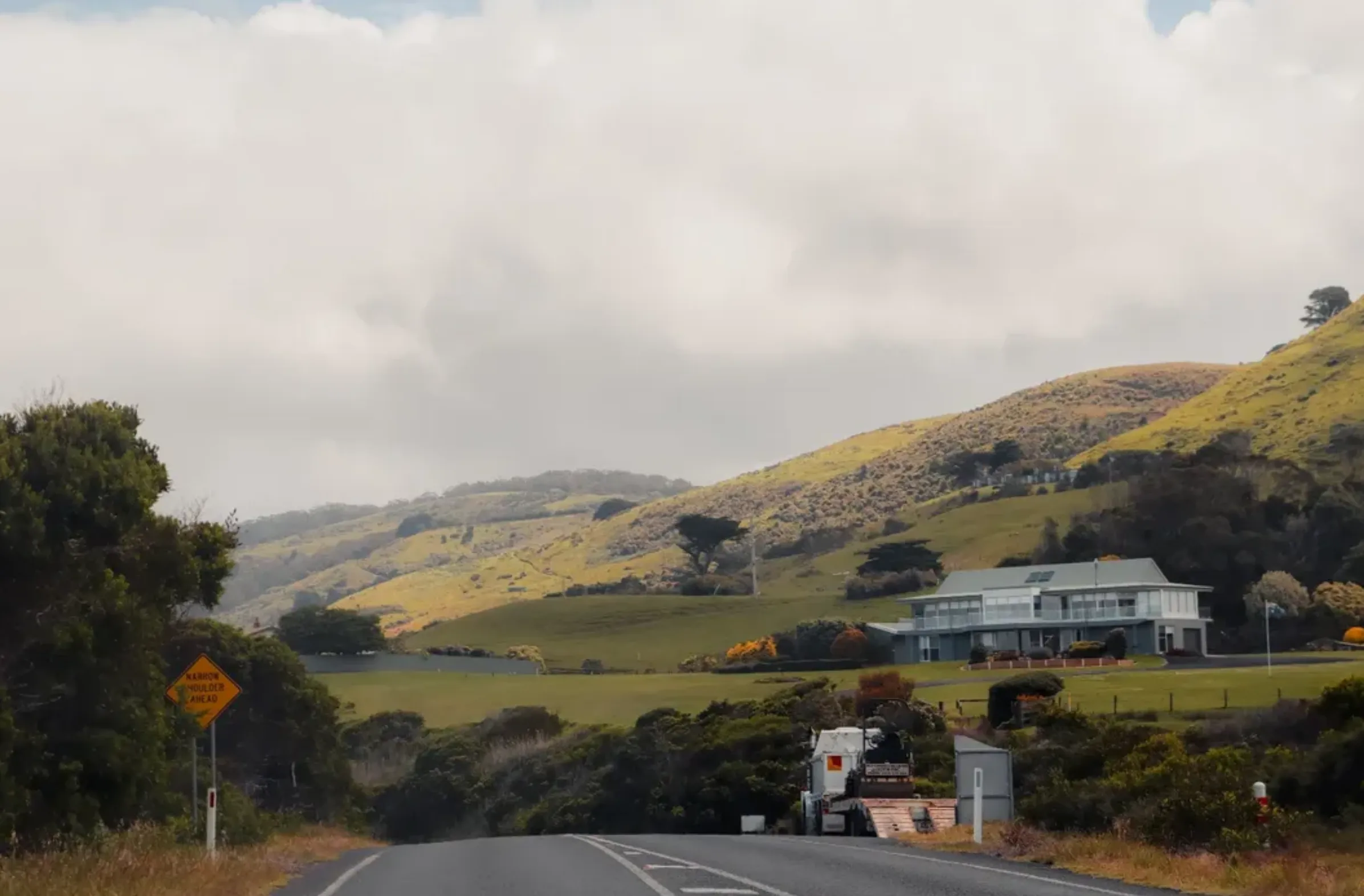
The Great Ocean Road is one of Australia’s most famous scenic roads, with stunning coastal views, charming seaside towns and access to amazing natural attractions. Running along the southeastern coast of Australia, it’s a must-do for tourists and road trip enthusiasts. Many people opt for a Great Ocean Road day tour to see the highlights in one trip. But before you start this journey, you might wonder about tolls, construction costs and any other hidden costs of driving on this famous coastal road. This article will break down if there are tolls on the Great Ocean Road and when is the best time to do this road.
Tolls on Great Ocean Road

One of the best things about the Great Ocean Road is that it’s toll-free. Unlike many major highways and expressways in Australia, this beautiful coastal road has no tolls. Originally built as the biggest war memorial in honour of soldiers who served in World War I, the road was meant to be accessible to everyone without financial barriers. In the early days, a casual toll road pass was required at the memorial arch near Eastern View to help fund the construction, but now it’s free to all visitors. Whether you’re driving your own car, renting a car or joining a guided tour like a 12 Apostles tour, you can do the whole trip toll-free.
Where does the Great Ocean Road start and end?
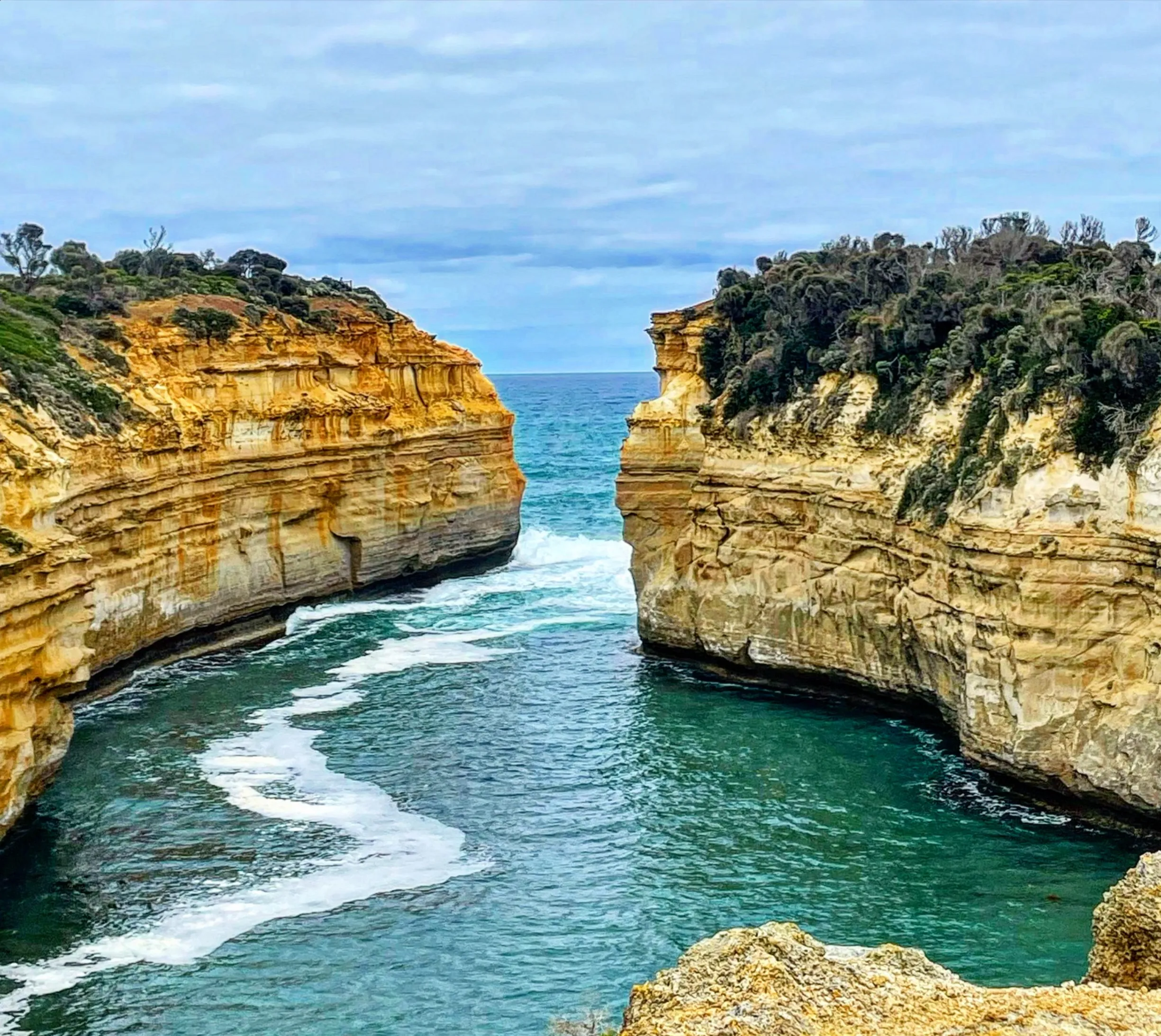
The Great Ocean Road is approximately 243km (151 miles) long and runs along the southern coast of Victoria, Australia. It starts in Torquay, a popular surf town in the Surf Coast Shire, about 100km southwest of Melbourne. From there it winds its way along the coast, through the towns of Lorne, Apollo Bay and Port Campbell. The road ends in Allansford, near Warrnambool, at the end of this iconic drive. Throughout the trip, you’ll see stunning views of blue water, rainforest and famous landmarks like the Twelve Apostles, Loch Ard Gorge, London Bridge and London Arch. The Mount Defiance Lookout has the most amazing views and is all about the dramatic views and natural elements. If you have time, stopping to see the Twelve Apostles at sunset is a must for the best photo opportunities.
Hidden Costs When Driving the Great Ocean Road
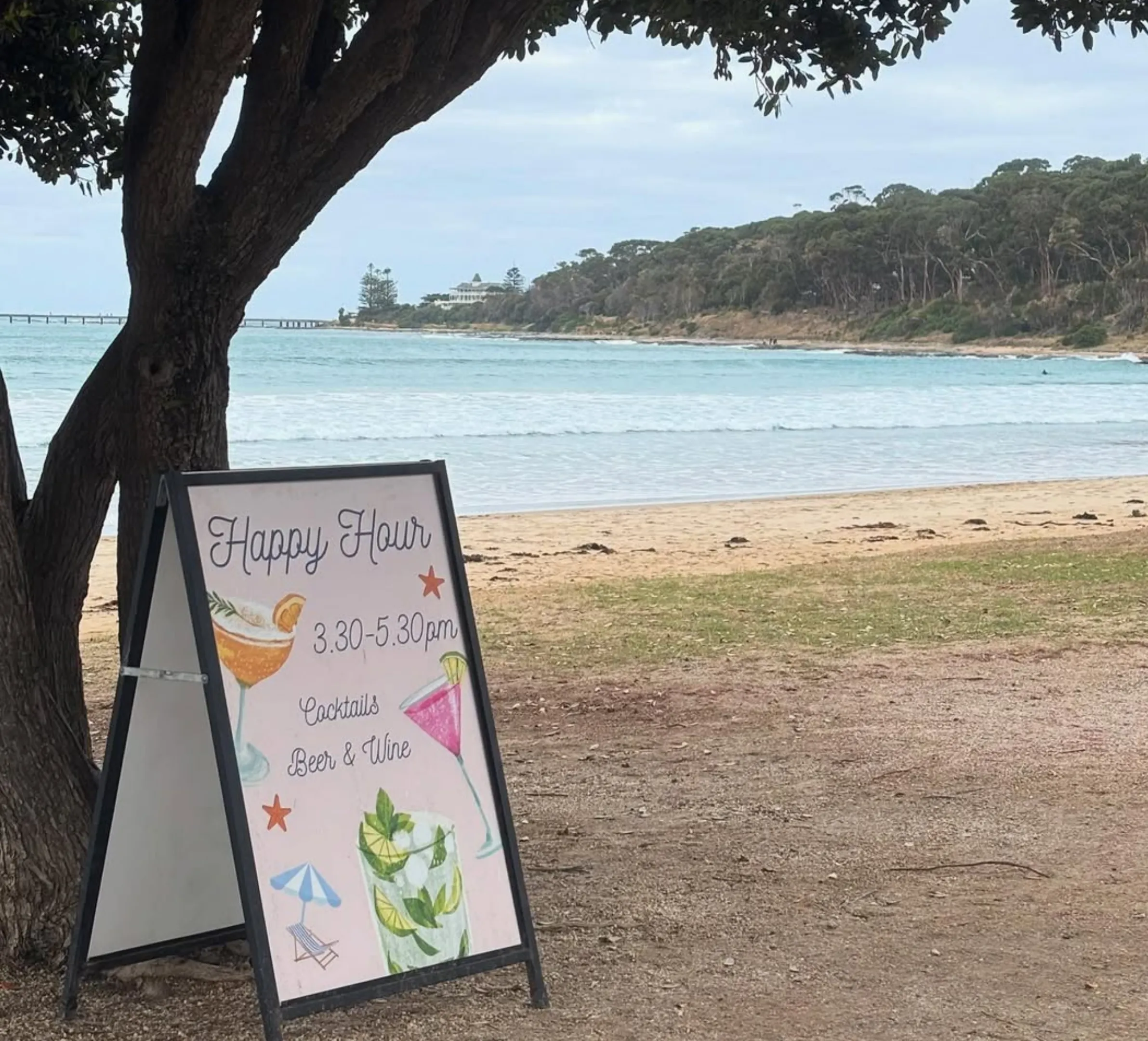
There are no tolls on the Great Ocean Road but be aware of the hidden costs that may arise during your trip. Here are some of them:
- Fuel Costs – The road is long and fuel prices can be higher in remote areas. Fill up in major towns like Torquay or Apollo Bay before heading into the smaller villages.
- Parking Fees – Some popular attractions along the Great Ocean Road like the Twelve Apostles and Loch Ard Gorge have paid parking.
- Accommodation Costs – Overnighting in towns along the route can range from beachfront campsites to campsite lodges or luxury resorts so plan your accommodation accordingly.
- Food and Dining – There are plenty of restaurants and cafes along the way but some tourists prefer communal dining marquee in local farmhouses although food prices may be higher in touristy areas.
- National Park Fees – Some attractions within the Great Otway National Park or conservation areas may have a small entry fee.
By budgeting for these extra costs, you’ll have a smooth and enjoyable trip without any surprises.
Best Time to Drive
The best time to visit the Great Ocean Road depends on what you’re looking for. Here are some seasonals:
- Summer (Dec – Feb): Peak tourist season with warm weather, perfect for coastal drives, beachgoers and outdoor activities. But it’s busy and accommodation prices are higher.
- Autumn (March-May): A quieter time with mild weather and fewer crowds. Scenic landscapes are still spectacular and accommodation prices are more affordable.
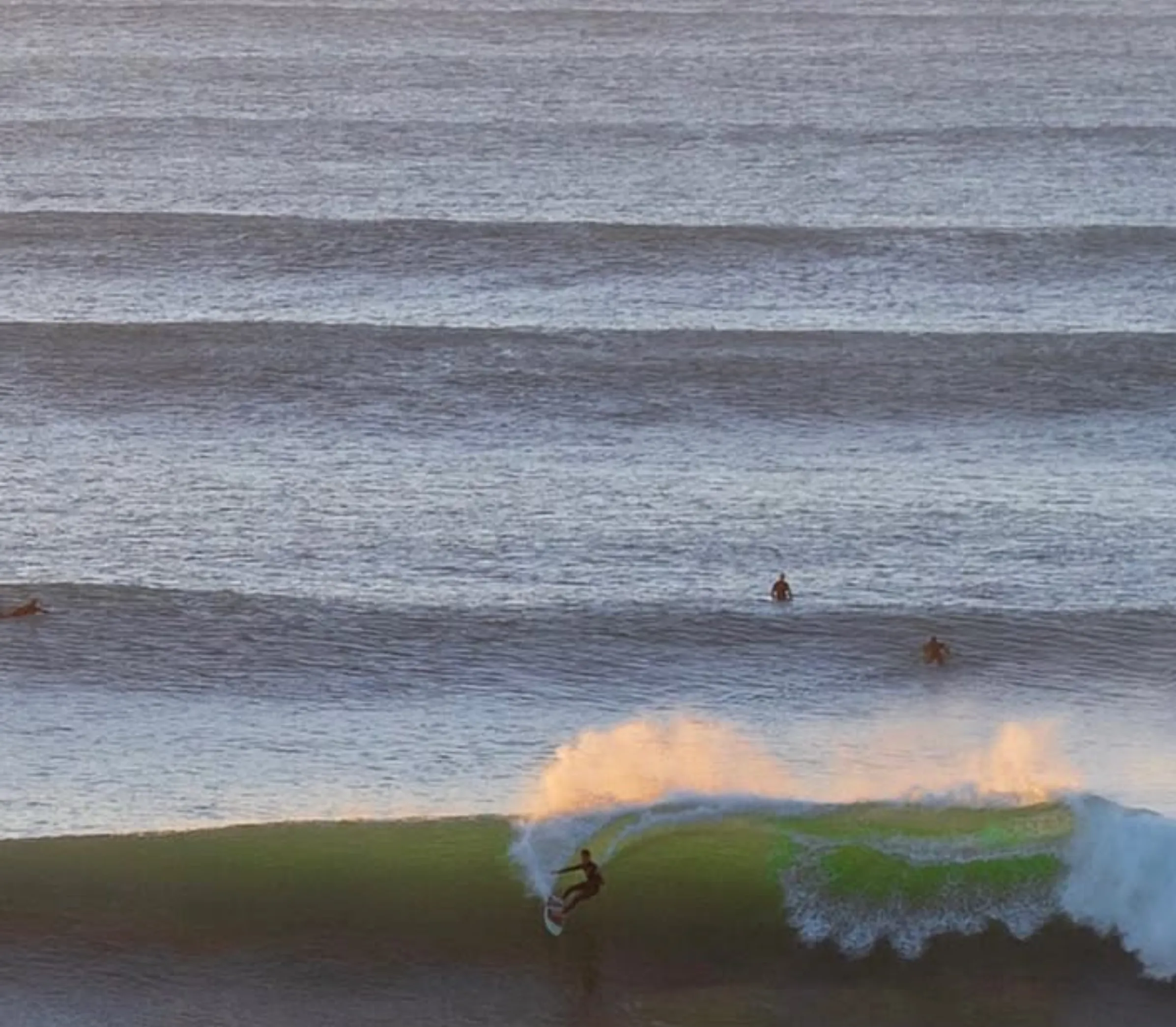
- Winter (June – Aug): Cold and windy but winter has its own charm with waves during storms, fewer tourists and whales along the coast.
- Spring (Sep – Nov): Another great time to visit with wilderness coming to life with wildflowers, nice weather and moderate tourist traffic.
Ultimately it depends on personal preference but avoiding peak holiday seasons will give you a more relaxed and budget-friendly trip.
Final Thoughts
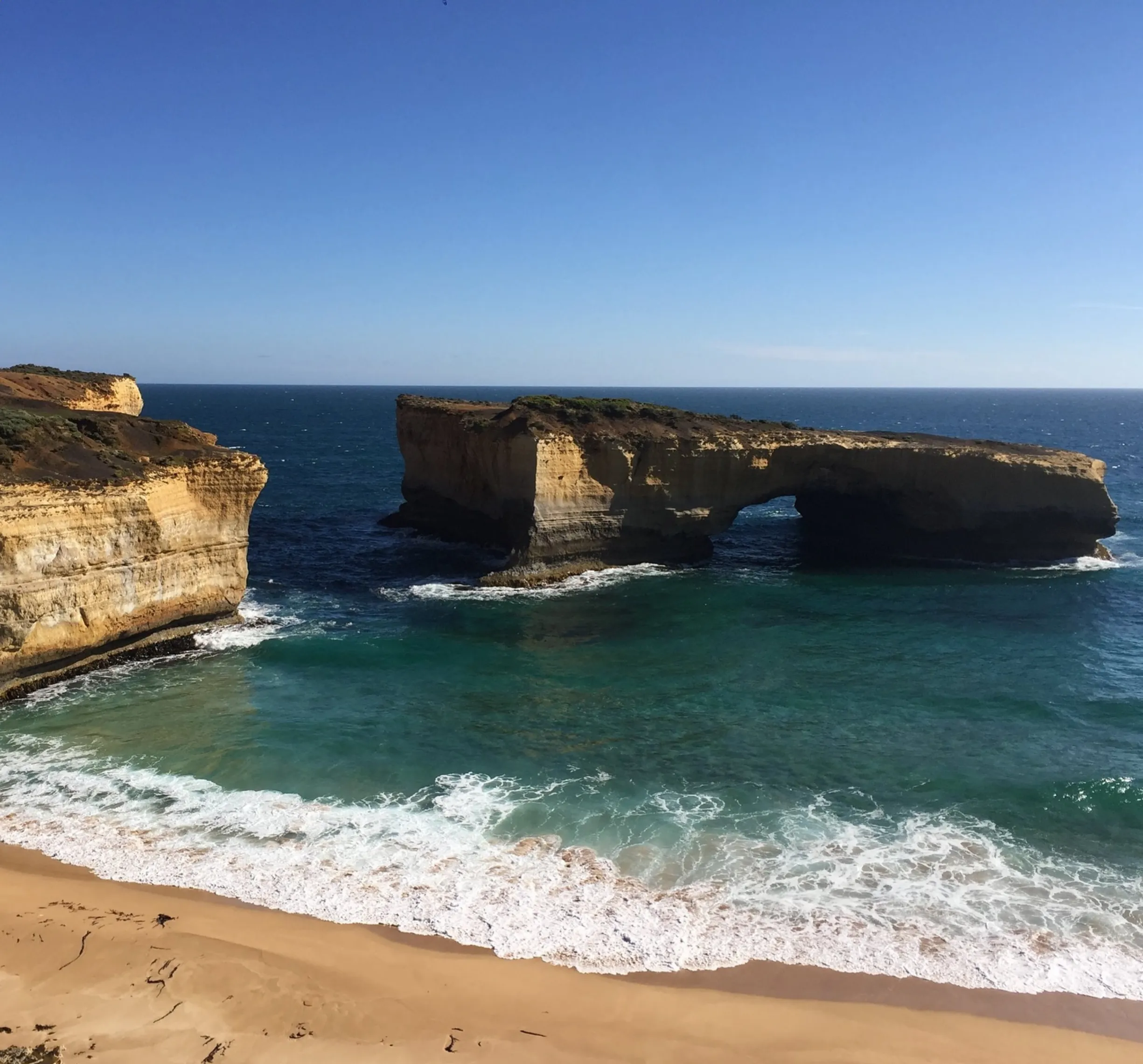
Driving the Great Ocean Road is an experience like no other with tough drives, natural beauty, charming coastal towns and famous landmarks. The fact there are no tolls makes it even more accessible to all budgets. Many visitors opt for a Great Ocean Road day tour so you don’t miss out on the highlights. While there are some hidden costs to consider, planning will make the journey smooth and enjoyable. Whether you visit in summer for beach adventures or winter for a more peaceful time, the Great Ocean Road is an epic drive you shouldn’t miss on your bucket list.
FAQ
Do I need to pay a toll to drive on the Great Ocean Road?
No, the Great Ocean Road is toll-free, you can drive the whole route without any tolls.
How long does it take to drive the Great Ocean Road?
It takes about 4-5 hours to drive the whole route without stopping but we recommend at least a full day or multiple days to see the attractions.
Are there any speed limits on the Great Ocean Road?
Yes, speed limits change along the road from 40 km/h to 100 km/h. Follow the signs and drive carefully, especially around sharp bends and coastal mountains.
Can I camp on the Great Ocean Road?
Yes, there are several designated camping areas and caravan parks along the route including farmhouse accommodation. Wild camping is not allowed in most areas so it’s best to book a campsite lodge in advance.
Is the Great Ocean Road safe to drive at night?
Driving at night can be tricky with limited street lighting, winding roads and wildlife crossings. If possible plan to do most of your driving during the day for safety and visibility.