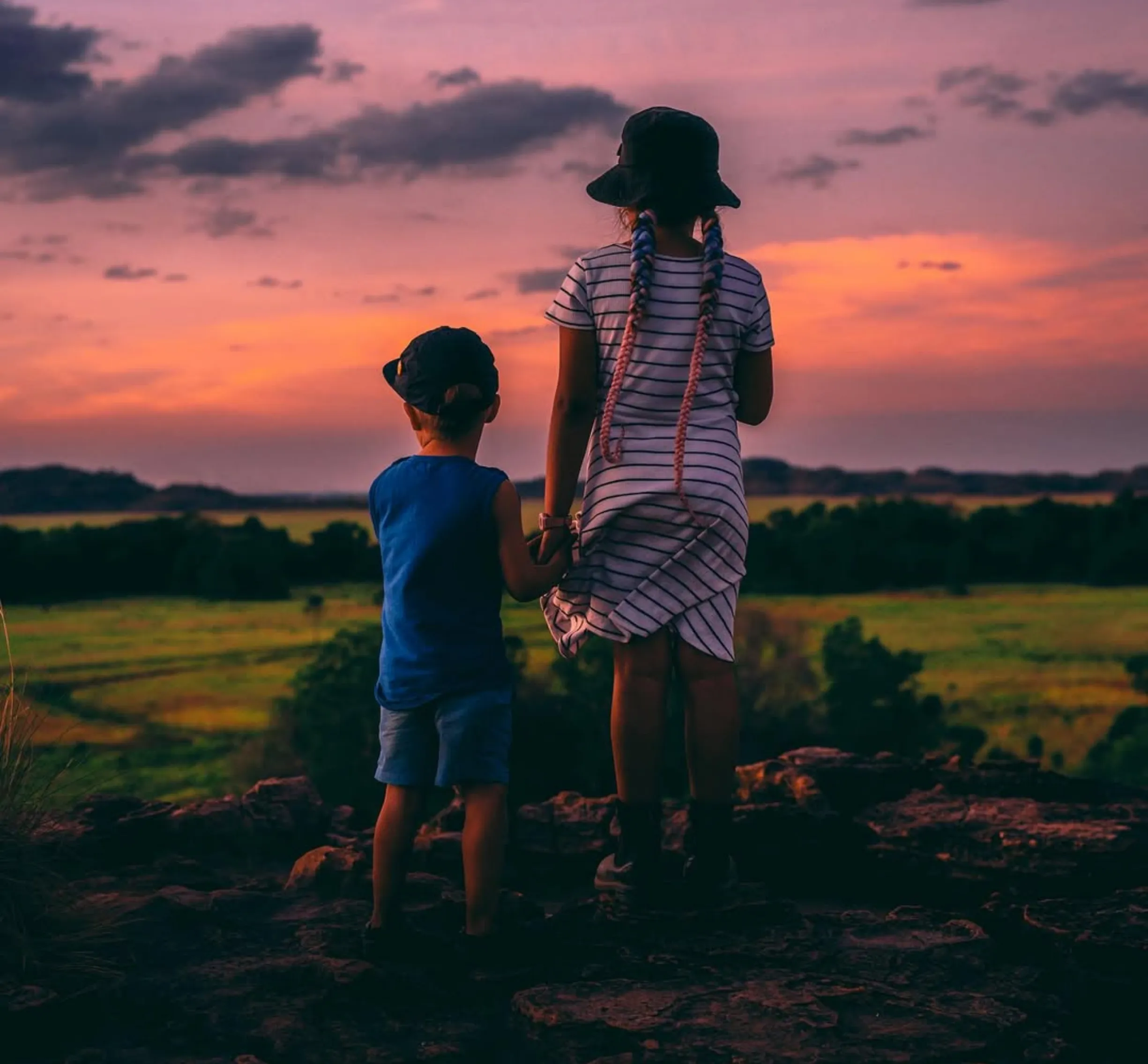
Kakadu National Park is one of Australia’s most amazing and diverse natural wonders, with wetlands, waterfalls, rocky escarpments and incredible Aboriginal rock art galleries. Whether you’re in Australia for a few days or planning a full adventure trip, packing the right clothes can make all the difference to your comfort and safety. This guide will help you prepare for wild adventures, with practical tips on what to wear in Kakadu when exploring its iconic locations, stunning landscapes and cultural significance.
If you’re doing a Kakadu tour from Darwin or combining with Litchfield Tours from Darwin, you need to dress for different environments – wetlands to sun-exposed escarpments. If you’re doing 3 day Kakadu tours from Darwin you’ll experience a range of conditions that require thoughtful packing.
1. Light, Breathable Clothing
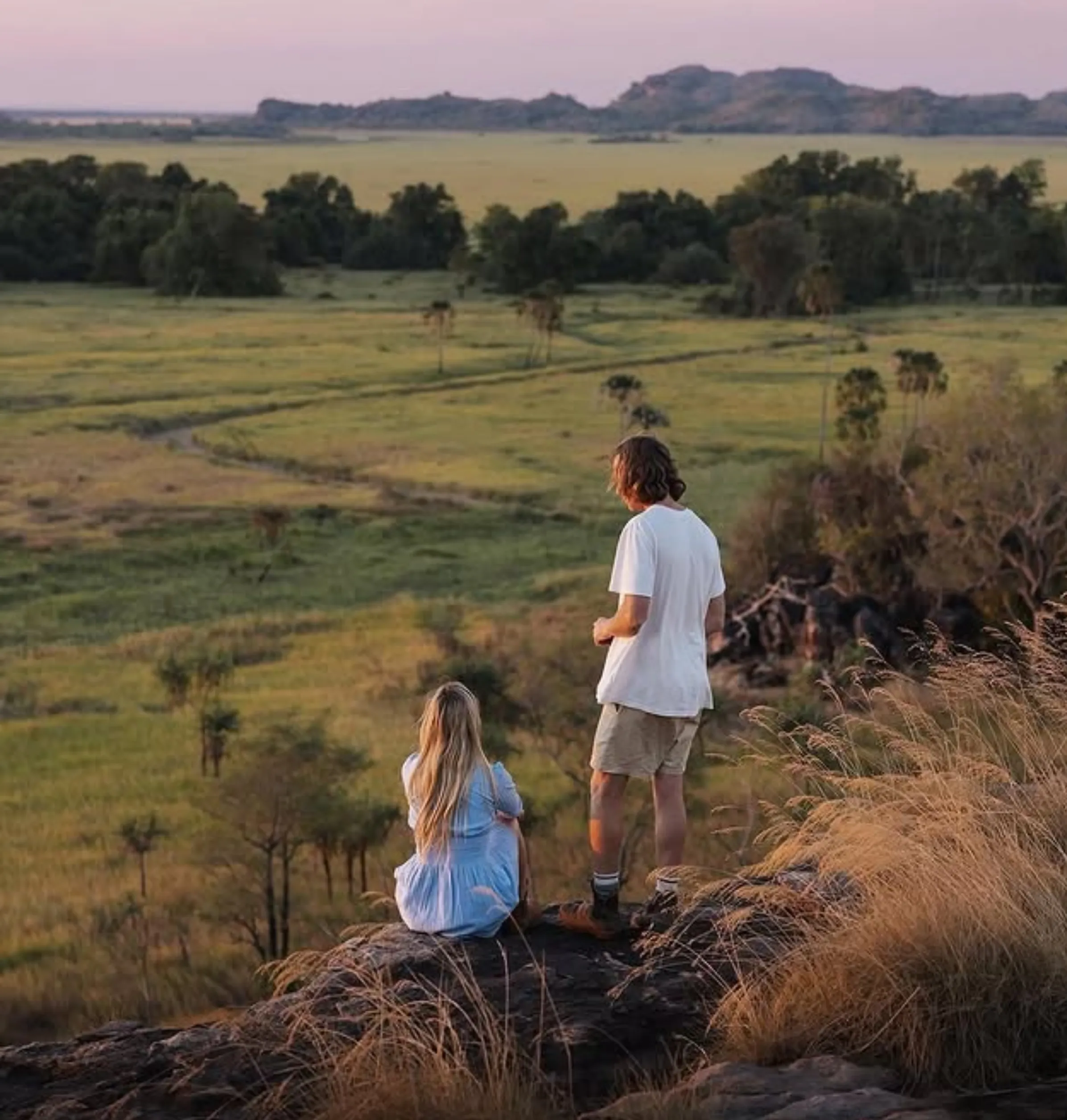
Kakadu’s tropical climate means hot, humid days are common especially during the wet season (October to April). Comfortable clothing made from breathable materials like cotton or linen helps regulate body temperature and is comfortable for walking adventurous tracks, return trails and panoramic views. Long sleeves and pants are good for sun protection and insect protection while exploring wetland wildlife and ancient rock art galleries.
Pack a mix of adventure clothing with both long and short options to adapt to changing conditions. Loose fitting garments are good for ventilation during a long hike and perfect for activities like joining cultural experiences with traditional owners or observing native wildlife in its natural habitat.
2. Sun Protection
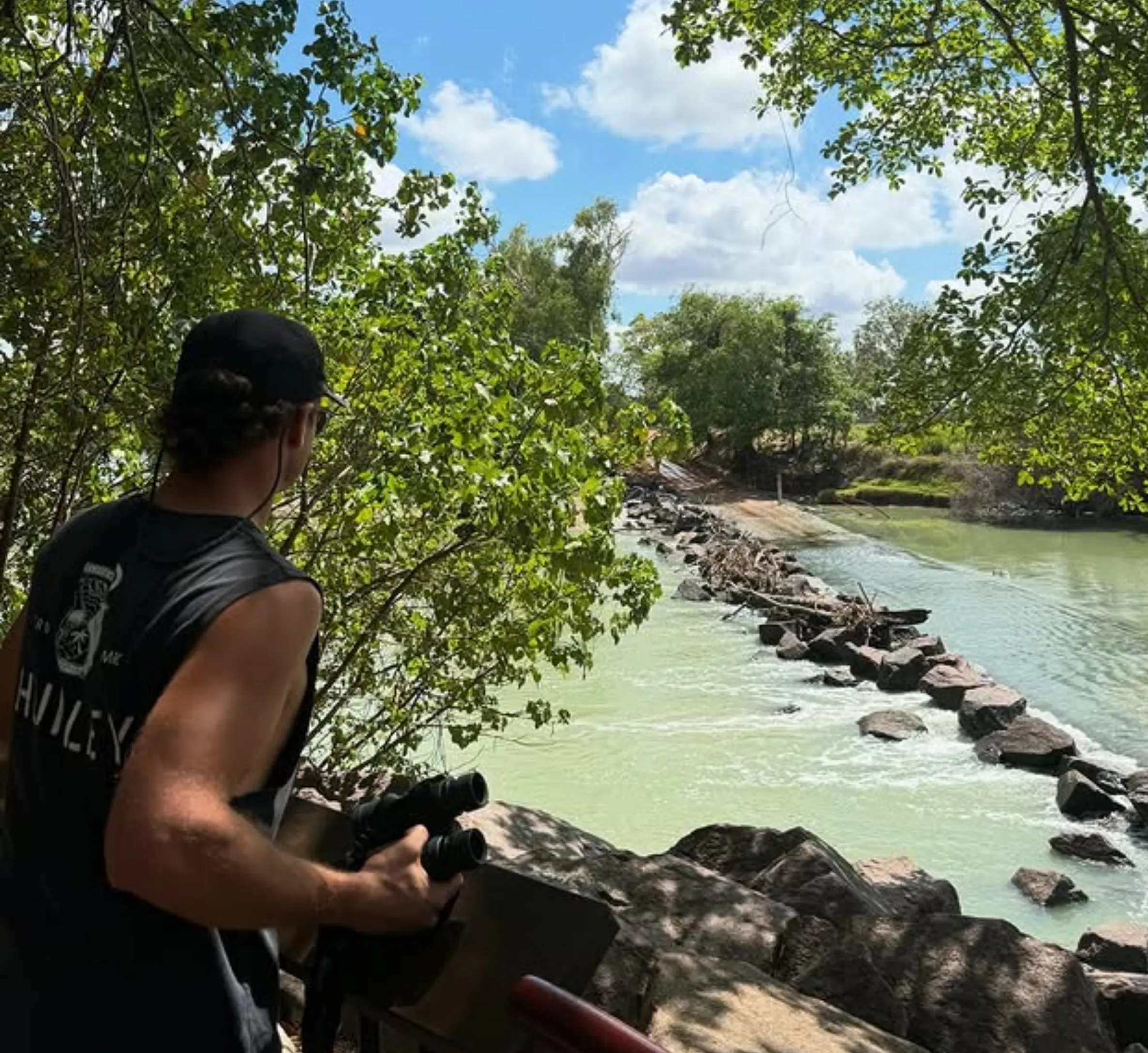
The Australian sun is strong, especially during the dry season (May to October) when cooler mornings give way to hot midday sun. Sun-protective clothing with built-in UV protection, a wide-brimmed hat and UV-rated sunglasses are essential. Always carry and apply high-SPF sunscreen – especially if you’re going on a scenic flight, wildlife cruise or extended outdoor activities with a guide.
3. Footwear for All Terrain
Kakadu’s gorges, waterfalls and marked tracks require good footwear. A solid pair of closed-toe hiking boots or walking shoes is essential for rough terrain, while reef shoes or waterproof sandals are good for crossing streams, plunge pools and creek mouths. Many trails are adventurous tracks to well-defined return trails so choose footwear that suits your itinerary. If you’re going to Jim Jim Falls or wet areas during the wet season, pack both. Good shoes will turn a walk into a walk to remember.
4. Swimwear
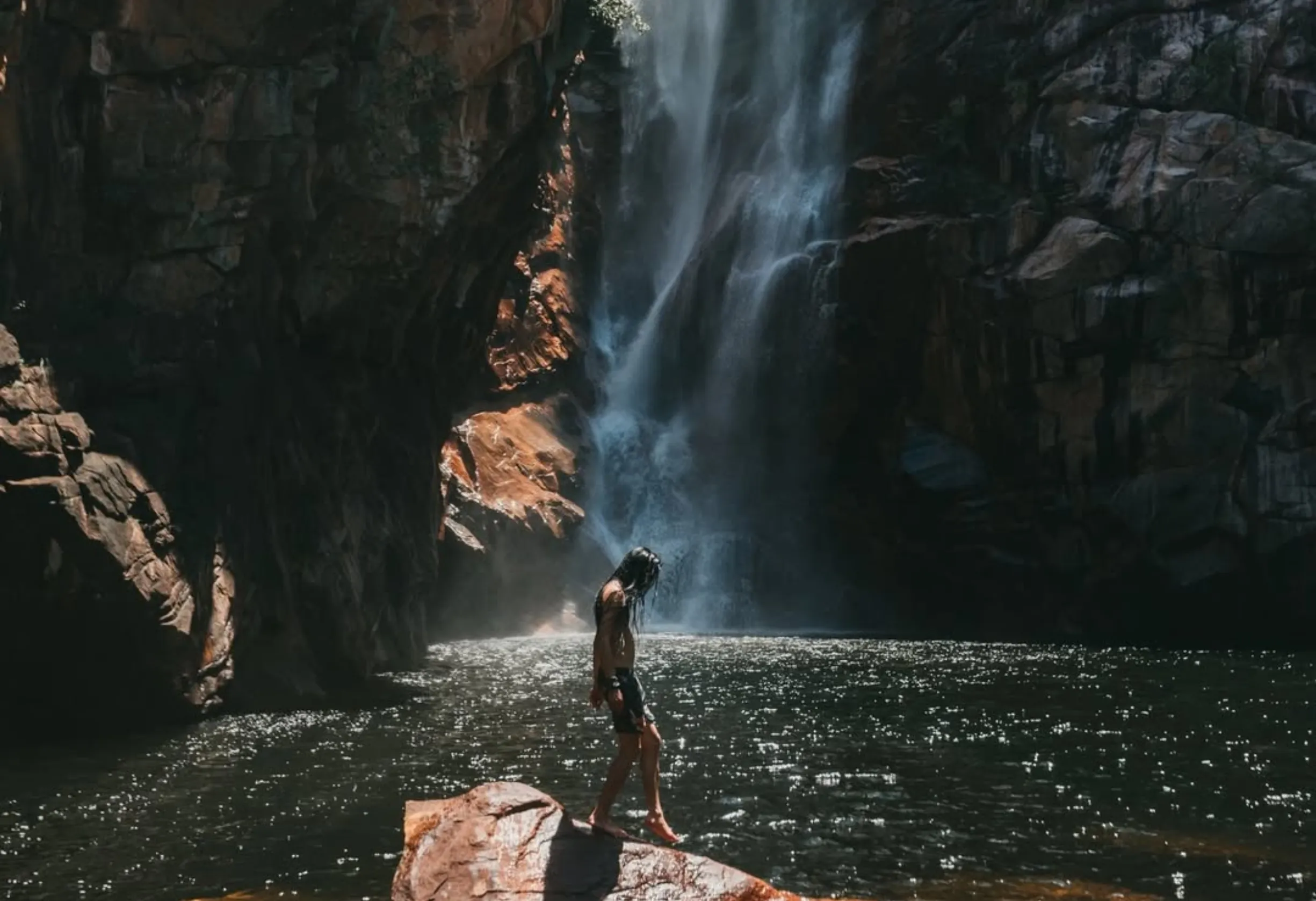
Swimming in Kakadu is a must-do, with natural pools and plunge pools to escape the heat. Bring a swimsuit, a lightweight towel and optional water shoes for slippery or rocky riverbeds. Always follow local advice and signage, especially for saltwater crocodiles in some areas.
Water based adventures like Maguk or Gunlom are best done when you are prepared. Check if the access road is open, especially during or after rainfall in the wet season when road closures are common.
5. Wet Season
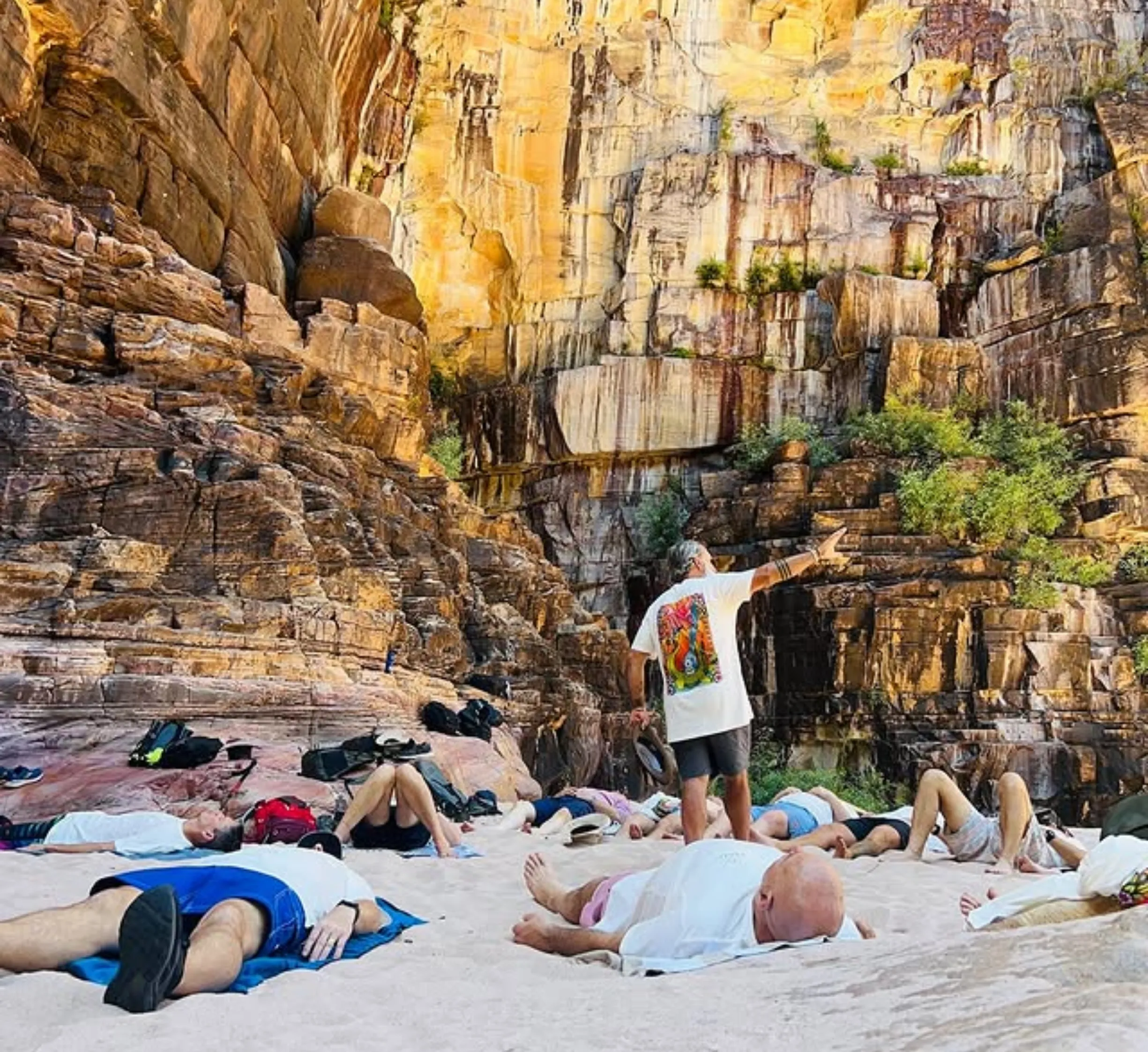
If you are visiting during the green wet season, bring a lightweight, breathable rain jacket. Sudden tropical downpours are common and being prepared will keep you comfortable. Rain gear is also handy for camping options or hiking along trails with minimal shelter.
Keep an eye out for local alerts for road closures due to rising water levels and flooding. The wet season is great for solitude, cultural depth and spectacular views.
6. Dry Season Layering
The dry season brings cooler mornings and evenings so layering is essential. A fleece or thermal jacket is perfect for early guide talks, sunrise walks or evening sunset cruises. During the day you will appreciate light clothing that keeps you cool but still offers sun protection.
This is the perfect season for adventure seekers, comfort lovers and wildlife enthusiasts. From iconic sunsets to camping under the stars, having the right gear for cooler moments will keep your adventure outfit versatile.
7. Hydration is Key
In Kakadu’s remote and warm conditions, hydration is critical. Carry plenty of water – at least one litre of water per person per hour of walking. A durable, insulated water bottle will keep your water cool throughout your hike. Whether you are on a short walk or a long trek to lookout points, running out of water is a risk you don’t want to take.
Many trails and adventure travel activities are far from facilities so being self sufficient with plenty of water is part of the survival skills needed to travel Kakadu safely.
8. Insect Protection
Wetland wildlife means insects—especially mosquitoes—can be prevalent, especially near creek mouths, wetlands and in the evening. Pack insect repellent with DEET or picaridin and wear long clothing to prevent bites. A mosquito net or head net may also be useful when camping.
This is especially important when you are in areas of high cultural significance or attending outdoor guide talks with experienced or expert guides who will be taking you into the bush.
9. Cultural Considerations
Kakadu is a living culture, home to Aboriginal people whose connection to the land goes back over 65,000 years. When joining cultural experiences led by traditional owners, wear respectful and modest clothing. These experiences include storytelling, rock art interpretation, bush tucker insights, and cooking techniques that give you a deep understanding of the natural environment and survival skills.
Learning from the traditional custodians of the land is one of the best parts of any Australian trip. Dress accordingly to show respect for this unique culture.
A Kakadu tour is not just about landscapes – it’s about immersing yourself in a place rich in history, biodiversity and Indigenous heritage.
Whether it’s part of your bigger NT trip or a 3-day Kakadu tour from Darwin, dress right and you’ll be able to participate fully and respectfully.
10. Camping, Cooking and Comfort
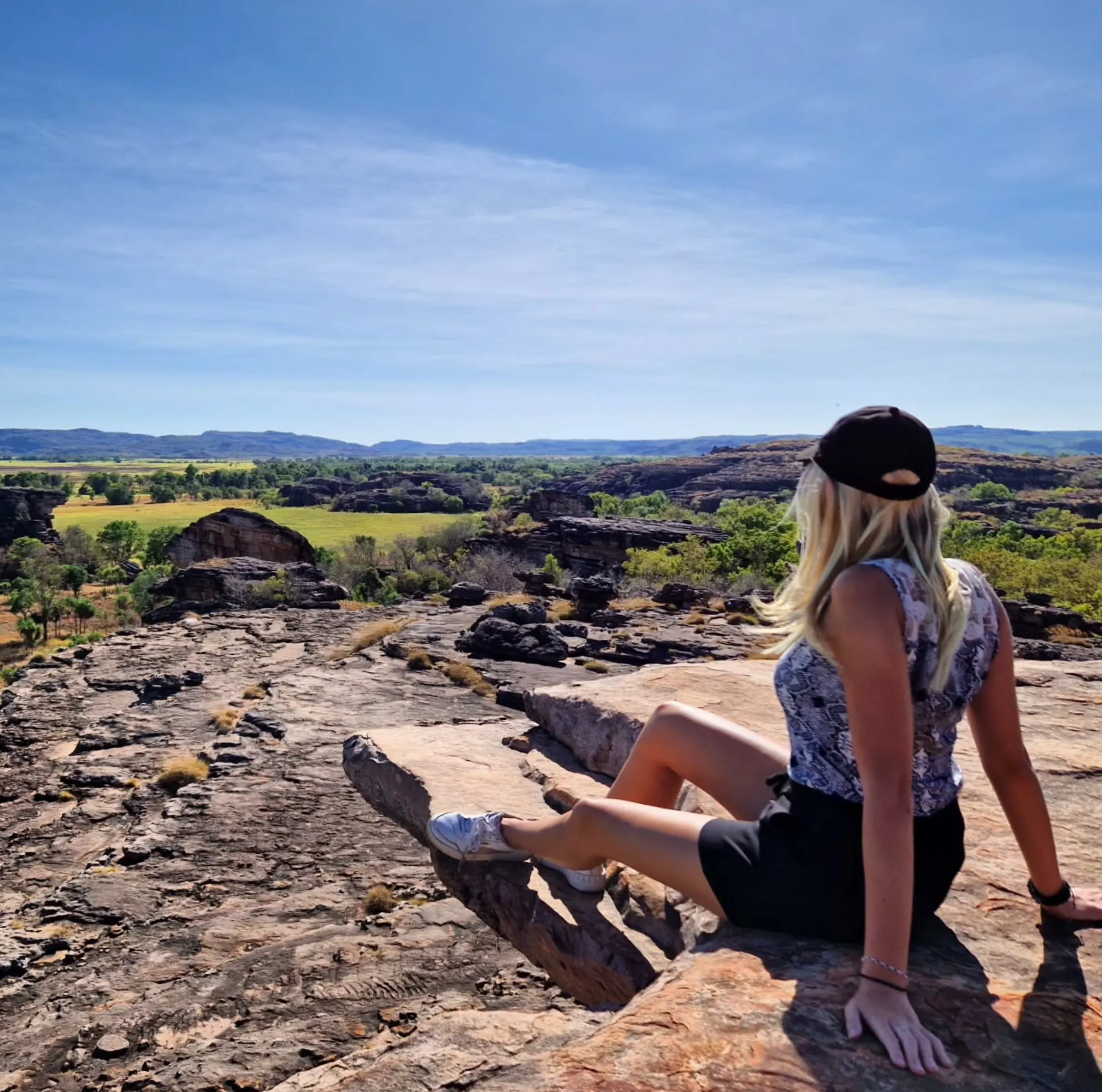
If you’re camping, bring layers for sleeping, outdoor cooking gear and items that add comfort to your stay like a quick dry towel, torch and camp shoes. After a day of adventure there’s nothing better than sitting by your camp, sipping a cold drink and watching the sunset over this ancient land.
Camping in Kakadu gets you into secluded areas and unforgettable moments. Whether you’re near a waterhole, along a gorge or watching a sunset, the right gear makes it better.
If you’re staying on longer than Kakadu, many travellers like to pair their Kakadu tour with Litchfield Tours from Darwin to see even more of the NT’s natural beauty.
FAQ
Can I wear shorts and a singlet in Kakadu?
Yes, but for better sun and insect protection wear long, breathable clothing. Especially if you’re walking near water marks, wetlands or participating in cultural experiences.
Do I need hiking boots for Kakadu?
Yes, especially if you’re walking rough tracks, rock art galleries or decent hikes to gorges. Lightweight hiking boots or good walking shoes are best.
Is it safe to swim in Kakadu?
Only in designated areas. Always check signs and ask an experienced guide or local ranger if swimming areas are croc-free.
Do I need to bring rain gear even in the dry season?
Rain is rare in the dry season but if you’re visiting during the shoulder months a light rain jacket is a good idea. It can also double as a windbreaker for early morning scenic flights or wildlife cruises.
What insect repellent works best in Kakadu?
Repellents with DEET or picaridin are most effective. Combine with long clothing for maximum protection when in national parks or camping near wetlands.