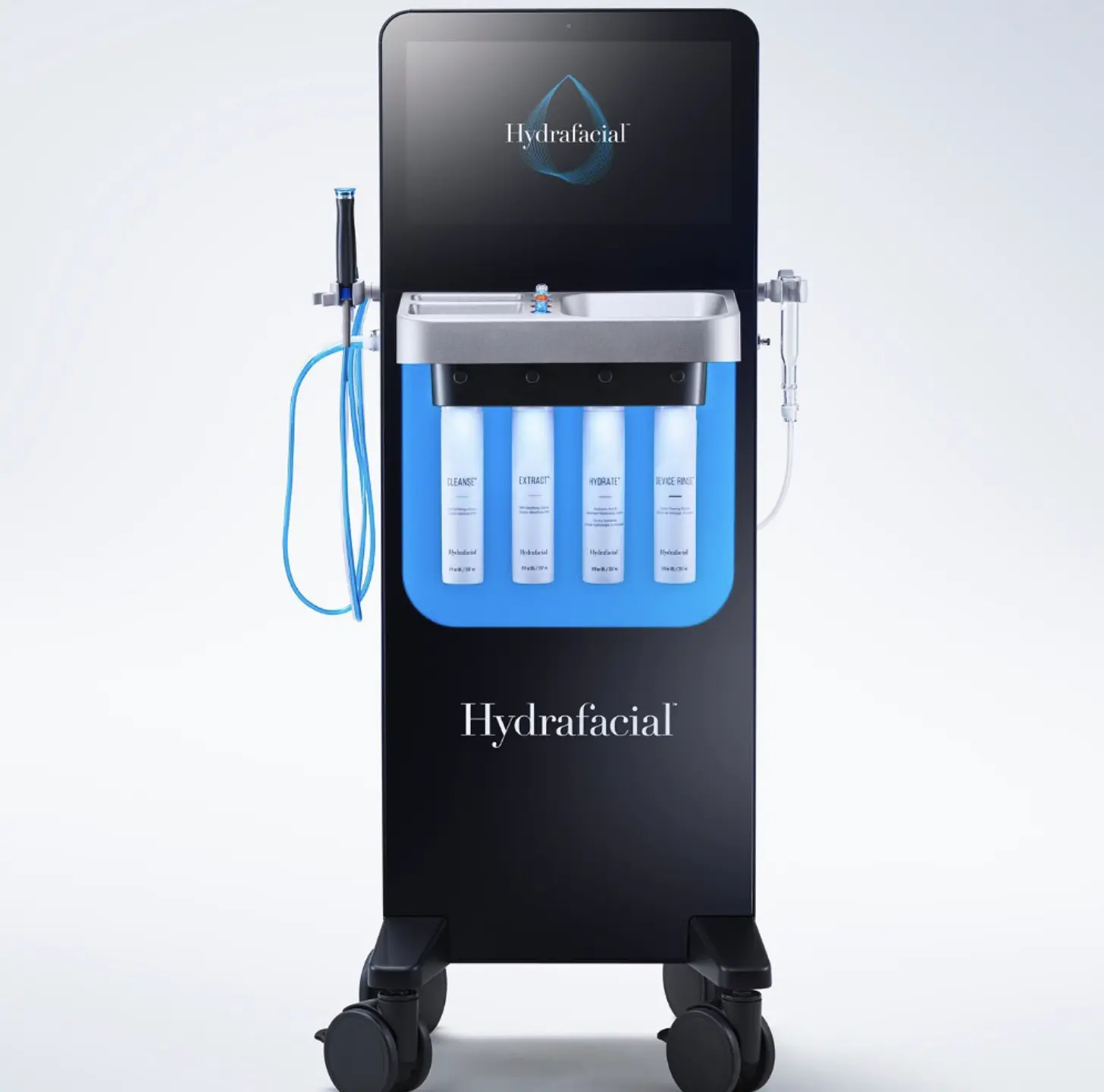
Hydrafacial + LED light therapy: does it actually help with cystic acne? One of the most common questions I hear walking into the treatment room is: “Will this sort out my persistent cystic acne, deep inflammation, and painful under-the-skin breakouts?” Usually, it’s someone who’s been dealing with acne vulgaris and is at their wits’ end.
Okay, let me be upfront: this combination can certainly help with cystic acne – but it’s only going to work if you’re using it as part of a thoughtful treatment plan that respects your skin barrier, takes into account your skin condition, and prioritises your overall skin health.
Why Deep, Hormonal Breakouts Need A Different Strategy
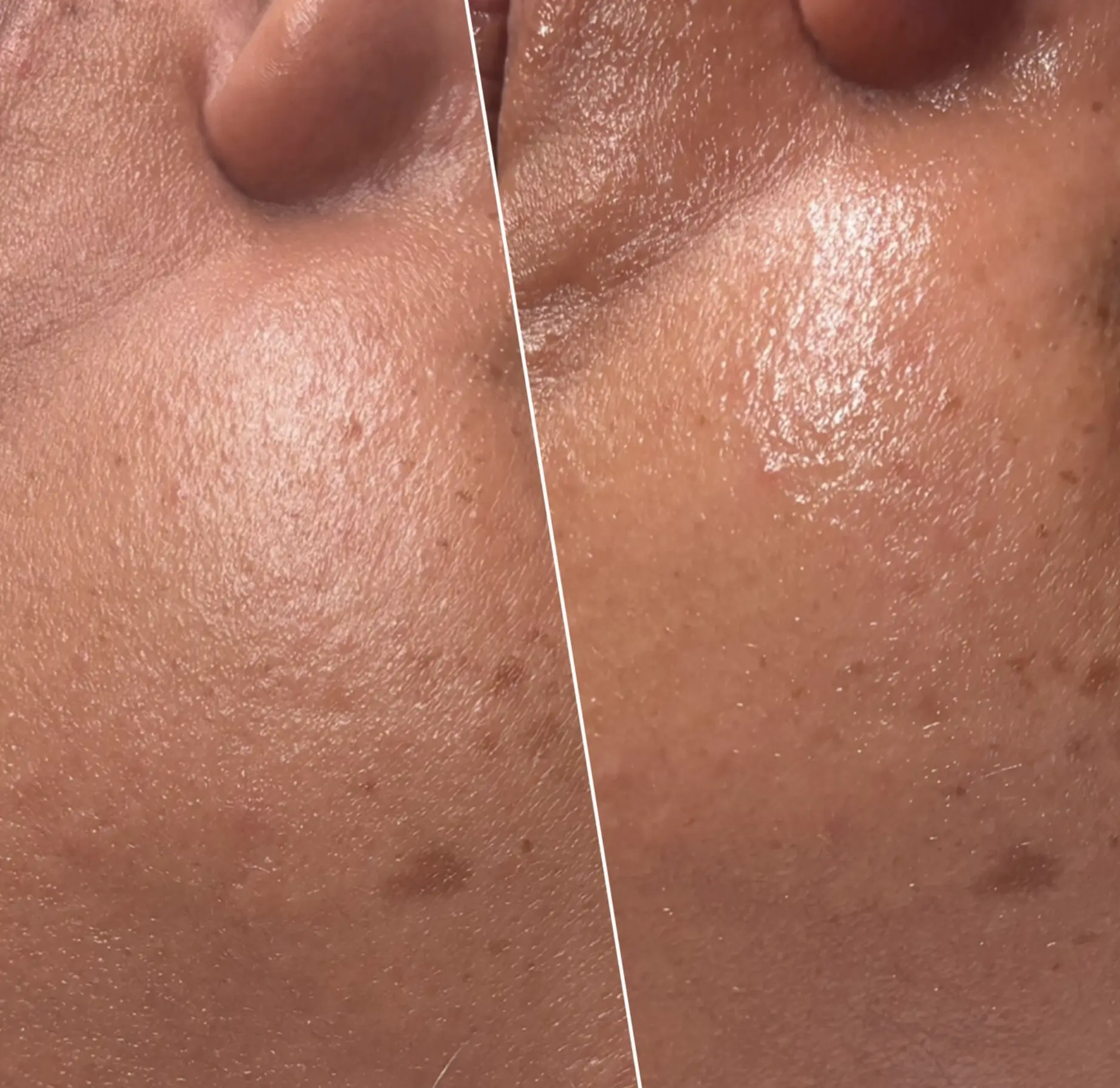
Cystic acne isn’t just about clogged pores or surface-level congestion – it’s a whole lot more complicated than that. We’re talking about deep-seated inflammation, excess oil production, microbial colonisation (thanks a lot, Propionibacterium acnes), and often hormonal triggers to boot. Throw Brisbane’s humidity into the mix, and those sebaceous glands just won’t quit.
I see this all the time in clinic – clients who’ve overdone the chemical peels, benzoyl peroxide or harsh exfoliating acids like glycolic acid, thinking that more is always better. But the reality is that this can actually make things worse – weaken the skin barrier, worsen follicular hyperkeratinization, and leave acne lesions more inflamed and harder to heal.
What This Treatment Step Really Does For Your Skin
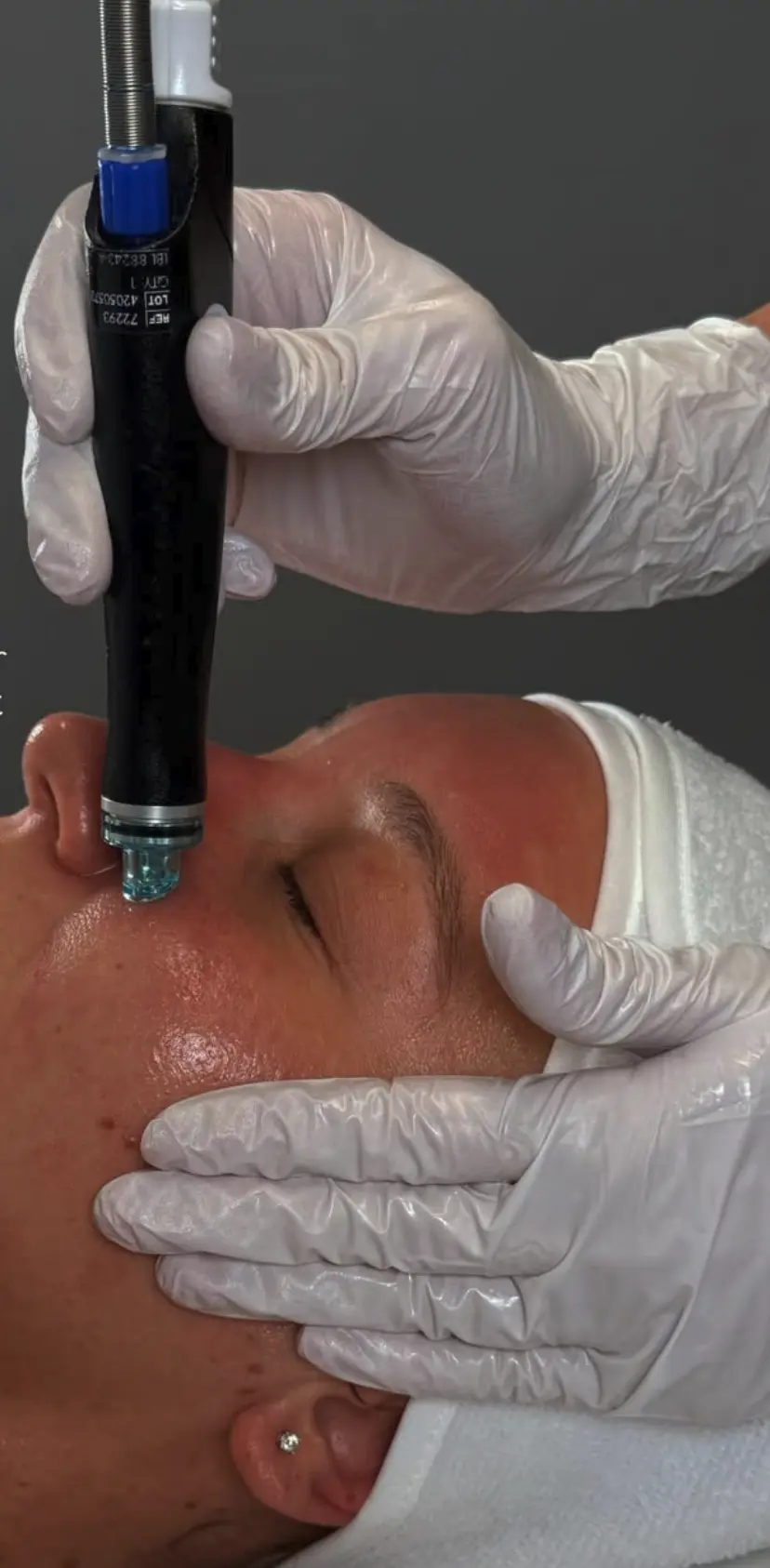
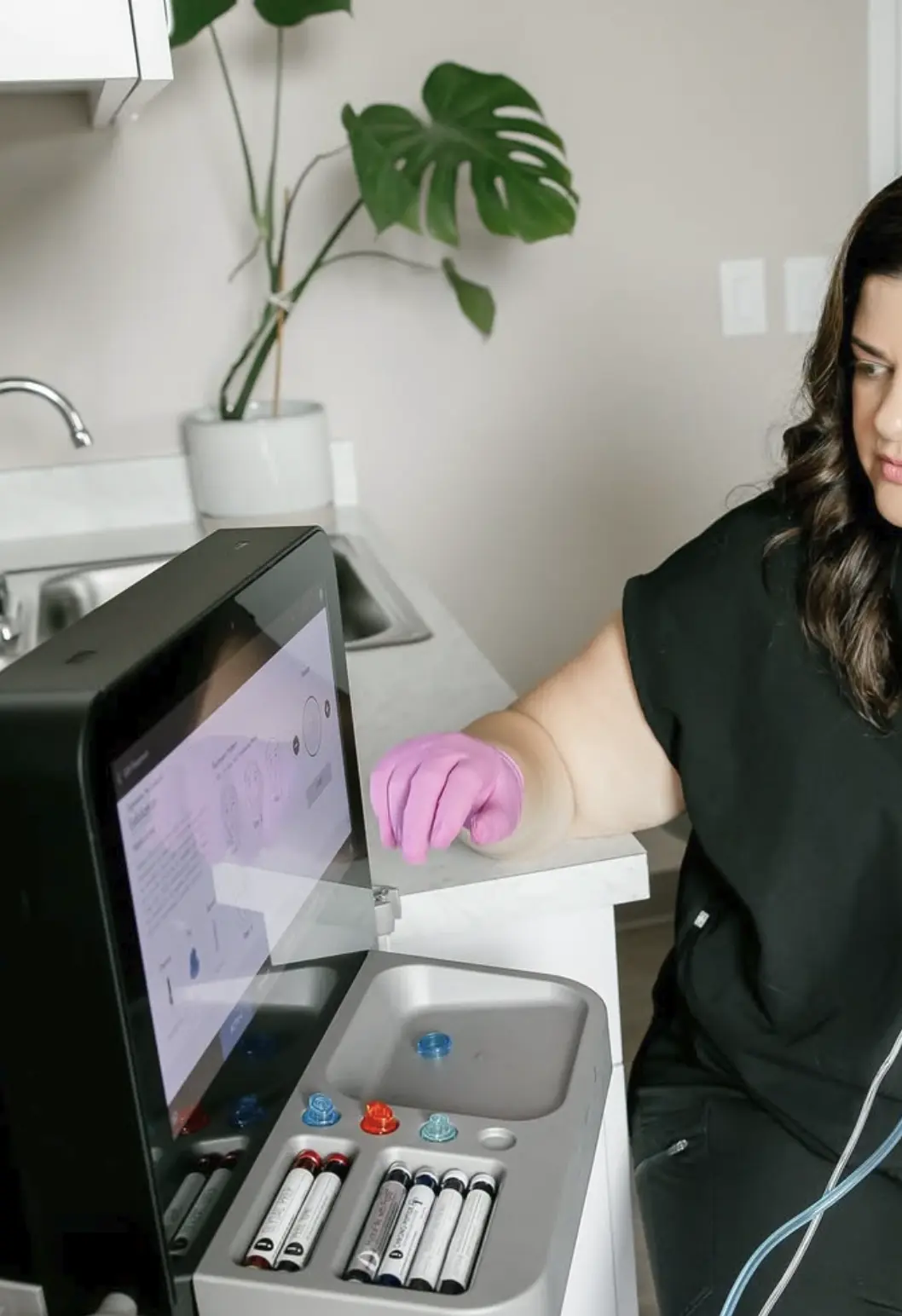
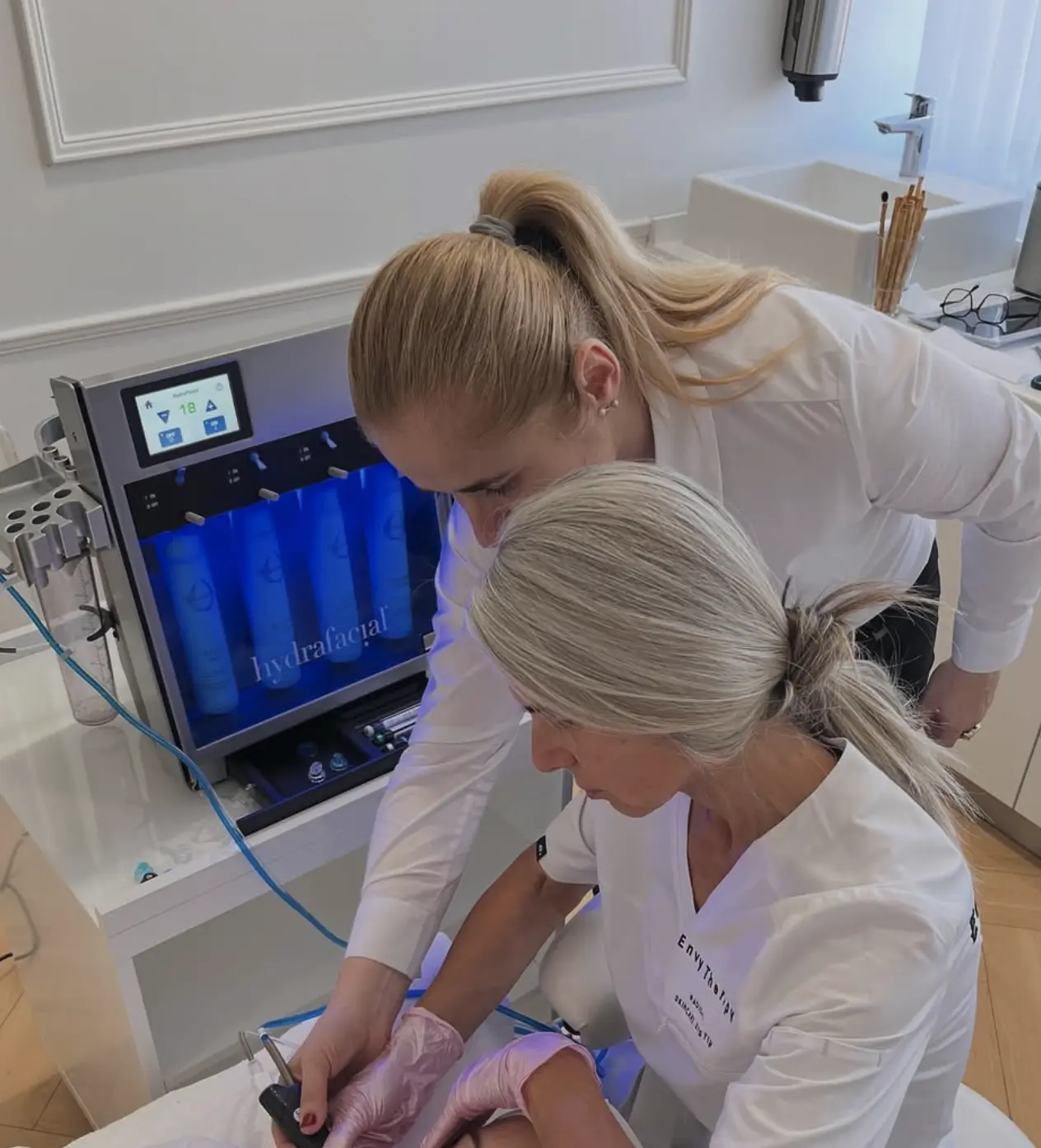
Hydrafacial isn’t about causing some sort of extreme resurfacing – it’s a super gentle deep cleansing process that uses a vortex suction system to remove built-up gunk without wrecking your skin in the process.
Why It Works For Congested, Inflamed Skin
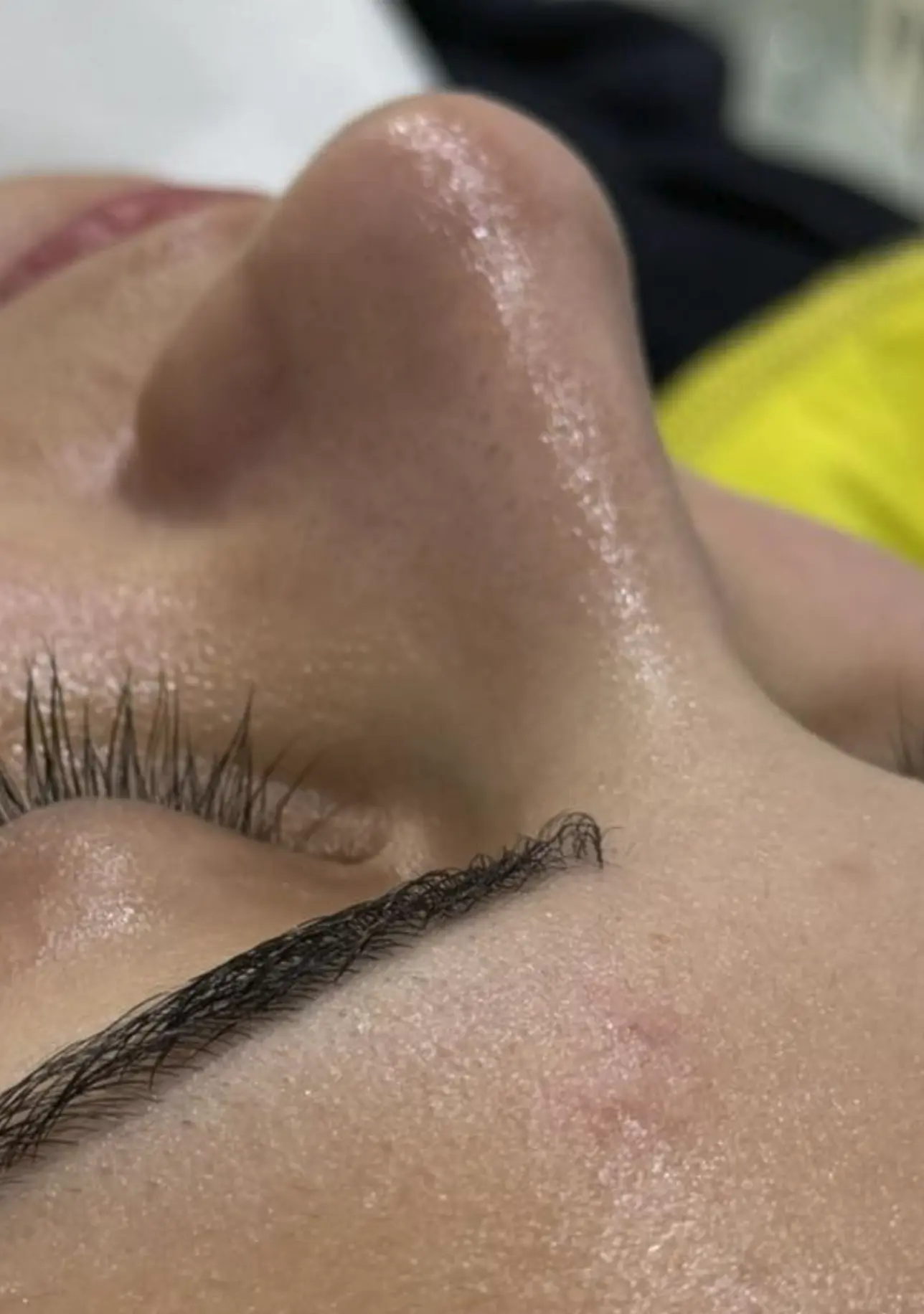
- Gently clears out clogged pores – no heavy manual extractions required.
- Uses salicylic acid to mop up excess oil and debris.
- Gives your skin a good drink of hyaluronic acid and vitamin B5 to help with hydration and healing.
- Actually supports the skin barrier, rather than stripping it bare.
The type of exfoliation this does is way more balanced than traditional chemical peels, especially for sensitive or inflamed skin conditions.
Where Expectations Need To Be Realistic
This treatment step will help improve your skin’s surface environment, but it won’t address all the underlying internal triggers, such as hormones or chronic inflammation, on its own. That’s why a real treatment plan always needs to take a broader view.
How Light-Based Therapy Supports Recovery
LED therapy – that’s just light-emitting diode technology – works by influencing your skin at a cellular level, through light absorption rather than heat or trauma. It’s a pretty cool mechanism.
Understanding The Role Of Different Light Wavelengths
| Light Type | Focus | Benefit |
|---|---|---|
| Blue LED Light Therapy | Acne-causing bacteria | Helps reduce active breakouts |
| Red LED Light Therapy | Inflammation & repair | Supports collagen production and healing |
| Near-Infrared | Deeper tissue response | Aids recovery and reduces redness |
Blue light LED therapy helps reduce acne-causing bacteria, while red light LED therapy supports skin healing and minimises inflammation — a key combination when managing cystic breakouts.
Why Pairing These Two Steps Improves Outcomes
When used in tandem, these treatments are a match made in heaven. One clears the way for the other to do its thing, and before you know it, deeper healing is underway.
What This Combination Can Do
- Boosts light absorption after you’ve stripped the skin of all the junk.
- Helps calm those angry, inflamed acne spots at a ridiculous rate.
- Supports deeper wound healing and actually starts to reduce those pesky post-acne scars.
- Makes your skin look a whole lot better without laying waste to it.
I had a client that I worked with who’d tried just about every magic bullet out there, including RF microneedling and strong exfoliating acids – and by the time she came to me, she was at her wits’ end. But once we ditched the harsh stuff and went for a more gentle, skin-friendly approach, all of a sudden her skin started to calm down within a few short weeks – not a miracle overnight, but her skin was visibly healthier.
What Progress Typically Looks Like Over Time
The thing is, though, consistency is way more important than blasting the skin with intense treatments when you’re fighting cystic acne.
| Week | Skin Response |
|---|---|
| Week 1 | Fresher, cleaner feel |
| Week 2–3 | Reduced redness and fewer active breakouts |
| Week 4–6 | Smoother texture and improved clarity |
| Ongoing | Stronger resilience and fewer flare-ups |
Clinical studies around LED therapy consistently show gradual improvements, especially when treatments are repeated regularly.
How Brisbane’s Climate Influences Breakouts
Humidity has a huge impact on how your skin behaves, and I’ve seen firsthand that it can make your pores go haywire. When the humidity’s up, you get more sebum production – which means clogged pores – and more UV exposure raises the risk of inflammation and those nasty post-acne dark spots.
Because of this, I often have to get creative with my treatments, scaling back heavy exfoliation and switching to lymphatic drainage, hydrating therapies, and calming treatments to keep skin balanced.
Common Habits That Can Slow Your Skin Progress
Loading Up On Active Ingredients
The thing is, when you’re using too many exfoliating acids or benzoyl peroxide, you’re weakening your skin barrier and making irritation even worse.
Expecting A Single Treatment To Do The Magic
Cystic acne just doesn’t get fixed with one facial – you need a layered approach to really make a dent in it.
Not Adjusting For Your Skin’s Sensitivity
If you’re on strong topical creams or photosensitising treatments, you need to use a customised approach to avoid making things worse.
Who Tends To Benefit Most From This Approach
This combination tends to work best for people with mild to moderate cystic acne, particularly if their skin is inflamed but still pretty resilient. It’s also ideal for anyone looking for a non-invasive approach that’s going to help them keep their skin healthy for the long haul.
But there are definitely situations where you need to take extra care. Severe acne might need to be treated with oral meds, and any suspicious lesions should be medically checked out before you start anything. And if your skin barrier‘s really shot, you need to adjust your treatment plan before you introduce any active steps.
Cost, Preparation, And Aftercare Guidance
At The Facial Hub, this combined treatment usually costs between $180 and $280, depending on the level of customisation. When people ask about the Hydrafacial price in Brisbane, I always say it’s the quality of treatment and the experience that counts, not just the device.
Before You Come In
- Just avoid using any strong exfoliants for a day or two beforehand
- Try to avoid getting too much sun exposure
After Your Treatment
- Just keep your skincare nice and simple and focus on hydrating
- Don’t forget to use broad-spectrum SPF every day
- Try not to pick at your skin, as this can make post-acne scarring a lot worse.
If you’re comparing the Hydrafacial price in Brisbane, just remember that it’s worth looking at the bigger picture – the quality of the treatment, the hygiene standards, and the experience of the therapist all play a part in how your skin ends up looking.
Where Skin Treatments Are Heading In 2026
The industry is shifting away from heavy, one-size-fits-all approaches and more towards supportive skin care that actually works in the long term.
What we’re starting to see more of:
- Treatment strategies that put the skin barrier first
- Combining smart technology with good old-fashioned hands-on techniques
- Focusing on long-term skin health instead of just trying to get a quick fix
- Clients who are a lot more educated, and that’s a really great thing.
The Final Word From The Treatment Room
There’s no magic fix for cystic acne – but there are smarter ways to get your skin on the right track.
This combination can actually work wonders for reducing inflammation, helping your skin heal and creating a healthier environment over time. The key to success, though, is how you use it, and whether it’s part of a plan that’s tailored to your unique skin.
Want to know if this might be the way forward for your skin? Pop in to The Facial Hub & we’ll chat through the details.
FAQ
Can this treatment sort out those deep, painful breakouts that just won’t shift?
It can help calm inflammation and aid the healing process, but if there’s something deeper going on, it might still need a bit more support to get fully sorted out.
How long does it take to start seeing some changes?
Loads of people notice a difference in their skin texture and redness within a few weeks of consistent sessions – it’s like a whole new complexion!
Can this approach be used on sensitive skin types?
Indeed, it can – as long as it’s done correctly and tailored to your skin, it can be super gentle and supportive, rather than irritating.
Do at-home LED devices deliver the same results as pros?
To be honest, professional equipment usually packs a lot more punch and provides a more consistent output – worth considering if you want the best results.
Will this treatment help prevent long-term damage from acne?
By reducing inflammation and supporting healing, you might find that your risk of long-term textural changes is lower – a pretty good reason to give it a go.